Spring Home Checklist: How to Spot Winter Water Damage Around Doors and Windows
Discover essential tips to identify and address winter water damage around doors and windows. This checklist helps you prevent costly repairs and maintain your home's efficiency.
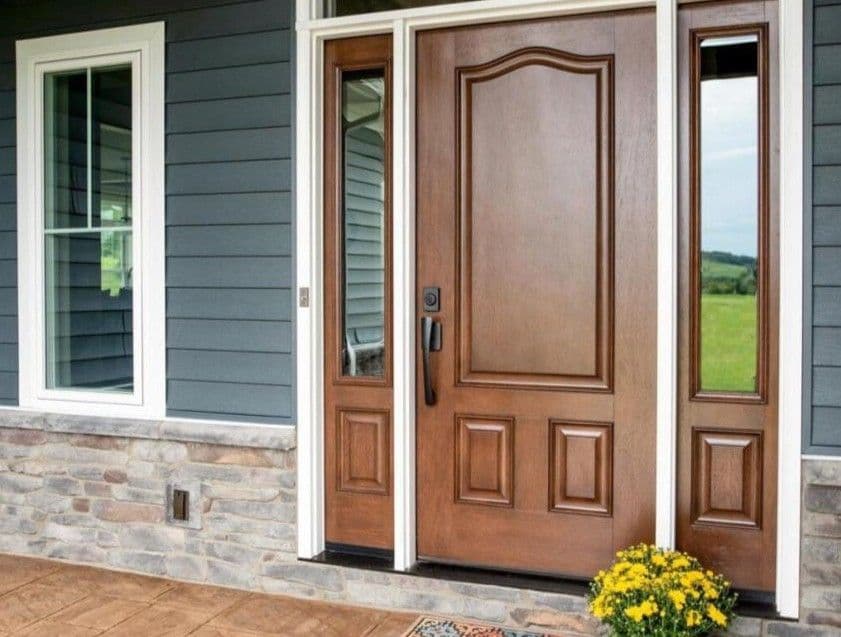
Winter can be tough on your home—especially around doors and windows, where cold temperatures, snow, ice, and moisture put constant stress on seals and materials. As spring arrives, it’s the perfect time to inspect these areas for signs of water or winter damage before small issues turn into costly repairs.
Use this spring checklist to identify problem areas, protect your home from future moisture damage, and maintain energy efficiency year-round.
Why Spring Inspections Matter
Freeze-thaw cycles cause materials to expand and contract repeatedly throughout winter. This movement can crack caulk, loosen weatherstripping, warp frames, and allow water to sneak inside. Even minor leaks can lead to rot, mold, or higher energy bills if left unaddressed.
A thorough spring inspection helps you:
Catch hidden moisture damage early
Improve comfort and energy efficiency
Extend the lifespan of doors and windows
Prevent mold, mildew, and wood rot
Exterior Checklist: What to Look for Outside
Start outdoors on a dry day so you can clearly see damage.
1. Check Caulking and Sealant
Inspect the caulk where window and door frames meet siding or brick.
Look for cracks, gaps, or peeling caulk
Press gently—brittle caulk needs replacing
Pay extra attention to corners and joints
Tip: Failed caulking is one of the most common sources of springtime water intrusion.
2. Inspect Frames and Trim
Examine window and door frames closely.
Look for peeling paint, soft spots, or discoloration
Probe wood trim gently with a screwdriver—soft wood may indicate rot
Check for warped or separating trim boards
These are early warning signs that moisture has penetrated the surface.
3. Look for Water Stains on Siding
Water can travel along siding before entering your home.
Check for streaks, staining, or algae growth beneath windows
Inspect areas under roof overhangs and above doors
Ensure flashing is intact and properly positioned
4. Examine Thresholds and Door Bottoms
Snow and ice often accumulate at door thresholds.
Look for swelling, cracking, or deteriorated materials
Check that door sweeps are intact and touching the threshold
Make sure water drains away from entry doors, not toward them
Interior Checklist: Signs of Hidden Damage Inside
Once outside looks good, move indoors to check for subtle clues.
5. Look for Water Stains or Discoloration
Inspect walls and ceilings around windows and doors.
Yellow or brown stains may indicate past leaks
Bubbling or peeling paint is a red flag
Darkened drywall near corners can signal trapped moisture
6. Check for Drafts and Cold Spots
Even as temperatures warm, drafts may linger.
Run your hand around window and door edges
Feel for cold air movement
Use a candle or incense stick to spot air leaks
Drafts often mean damaged weatherstripping or gaps created during winter.
7. Inspect Window Sills and Tracks
Condensation and melting ice can collect here.
Look for pooled water, mold, or mildew
Check for swollen or cracked wood sills
Clean tracks and ensure drainage holes are clear
8. Test Operation of Doors and Windows
Winter moisture can affect alignment.
Open and close windows—do they stick or bind?
Check doors for rubbing, dragging, or uneven gaps
Difficulty operating them may indicate swelling or frame movement
Addressing Problems You Find
If you notice minor issues, spring is a great time to fix them:
Re-caulk exterior gaps
Replace worn weatherstripping
Touch up paint to protect exposed wood
For more serious concerns—such as rotting frames, persistent leaks, or fogging between window panes—it’s best to consult a professional. These issues may indicate structural damage or failed window seals that require repair or replacement.
Preventing Future Winter Damage
A few proactive steps can help protect your home before next winter:
Keep gutters and downspouts clear to direct water away
Ensure proper grading so water drains away from foundations
Schedule annual inspections of doors and windows
Consider upgrading to energy-efficient, weather-resistant products
A Small Checklist That Makes a Big Difference
A spring inspection around doors and windows doesn’t take long, but it can save you time, money, and stress down the road. By identifying winter damage early, you protect your home’s structure, comfort, and curb appeal—just in time for the warmer months ahead.
If you find that there are more issues that you can anticipate tackling with DIY solutions, it most likely it is time to consider replacement of your windows and doors. Contact A.B.E. Doors & Windows for more information!